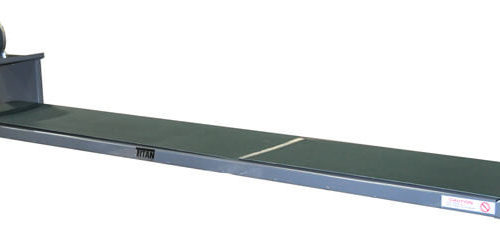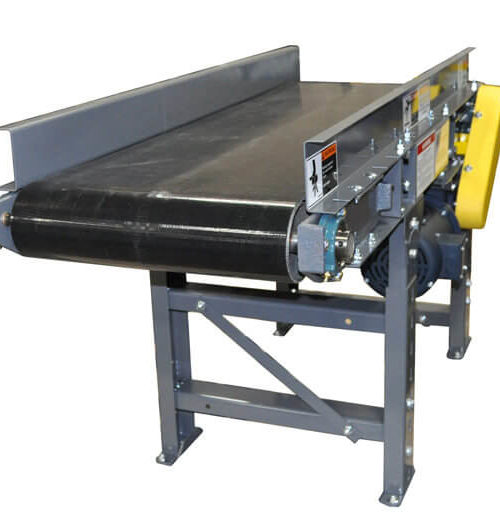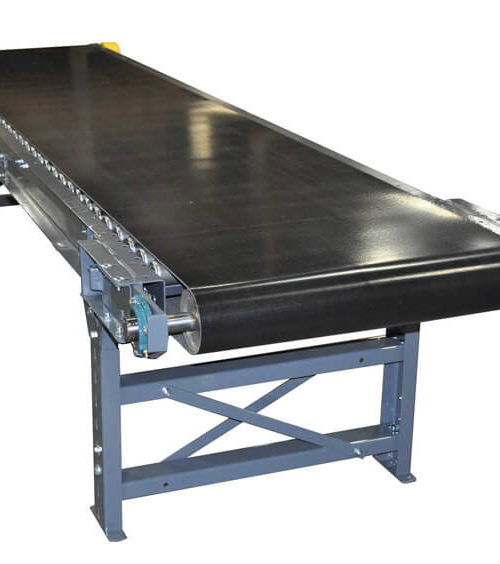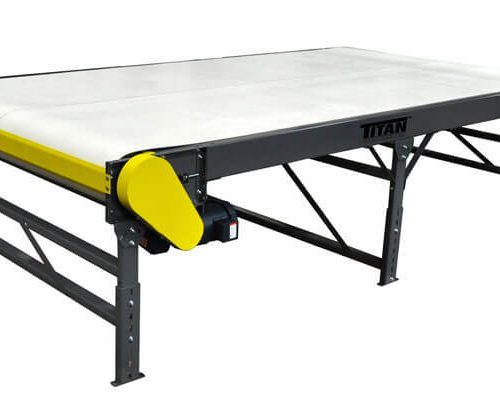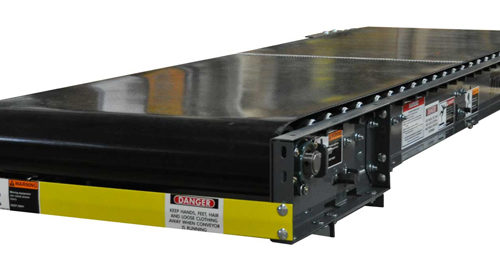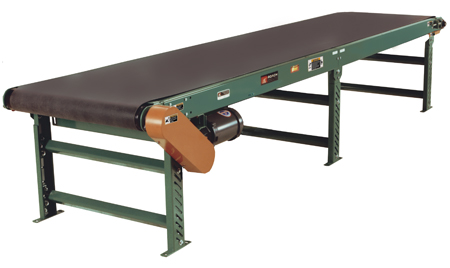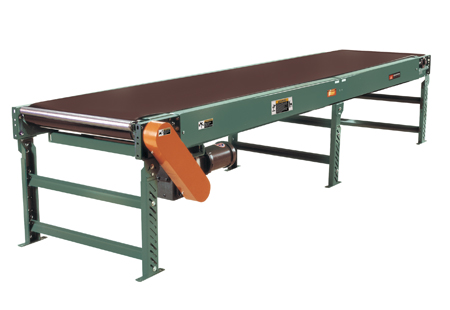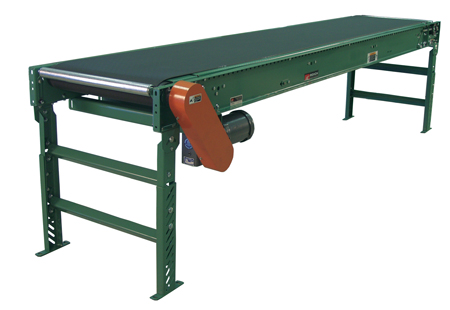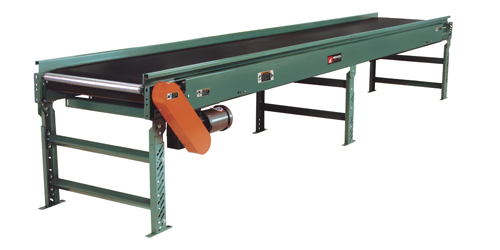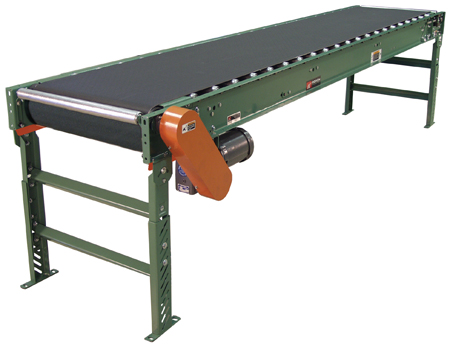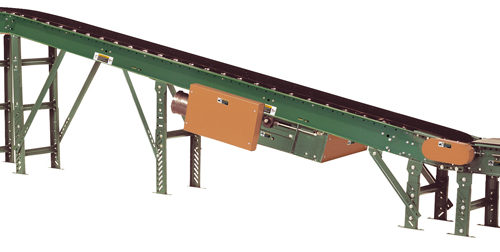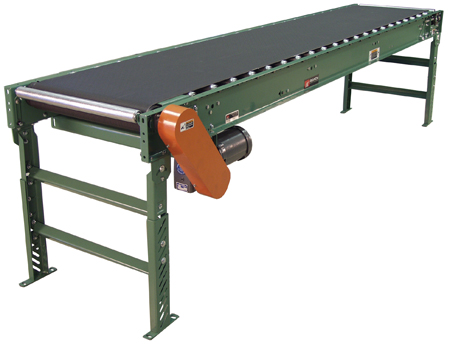
A belt conveyor system uses a continuous conveyor belt to transport materials along the surface. The belt is comprised of an endless loop. Two pulleys operate to keep materials in motion. Conveyor manufacturers make these belts from rubber, leather, and other materials. Most belt conveyors are motorized or powered by air pressure.
Products are generally conveyed directly on the belt, this allows for objects of irregular bottom surfaces to be transported with ease. This also prevents items from falling between rollers.
A belt conveyor system is a type of material handling equipment that uses a continuous loop of material (the belt) to move products from one location to another. The belt runs on pulleys and is typically powered by a motor, allowing for consistent and efficient product movement.
Belt conveyors operate using two or more pulleys that rotate a continuous belt. One pulley (the drive pulley) powers the system, while the belt carries materials along its surface. This setup allows for smooth, continuous transportation of items across a facility.
Belt conveyors can handle a wide range of products, including:
Because products sit directly on the belt, they are ideal for items that might fall through roller conveyors or have uneven surfaces.
Belt conveyors are used across many industries, including:
Their versatility makes them one of the most widely used conveyor systems in industrial environments.
Common types of belt conveyors include:
Each type is designed for specific applications, load capacities, and operational needs.
Key benefits of belt conveyors include:
These advantages make them a cost-effective and efficient solution for material handling.
Yes, belt conveyors can be fully customized to meet your operation’s needs. Options include:
Customization ensures optimal performance for specific applications and facility layouts.
Conveyor belts can be made from various materials depending on the application, including:
The material selection depends on factors like load weight, environment, and product type.
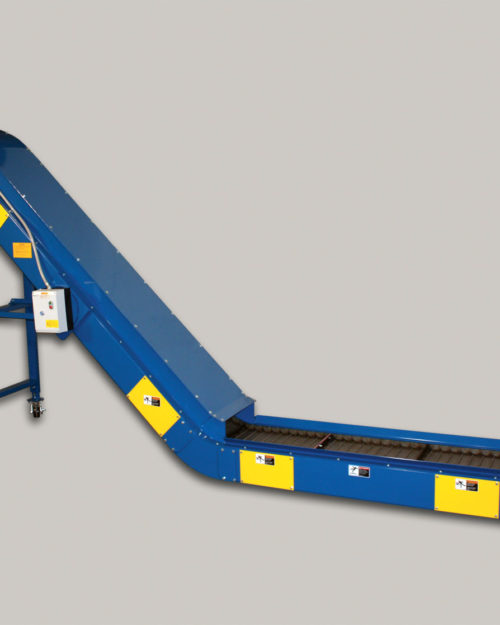
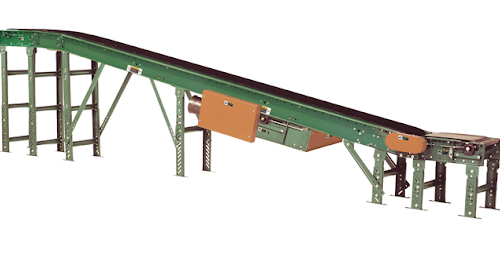
Yes, belt conveyors can be designed for incline or decline applications. Special features like cleats, sidewalls, or friction surfaces help prevent materials from slipping during elevation changes.
Belt conveyors improve efficiency by:
They are a key component in modern automated systems and warehouse operations.
Yes, regular maintenance is important to ensure optimal performance and longevity. This includes:
Proper maintenance helps prevent downtime and extends system life.
Belt conveyors are often preferred because they:
They are one of the most versatile and cost-effective conveyor solutions available.